New Energy Wiring Harness Cost: Key Factors for EVs and Renewable Systems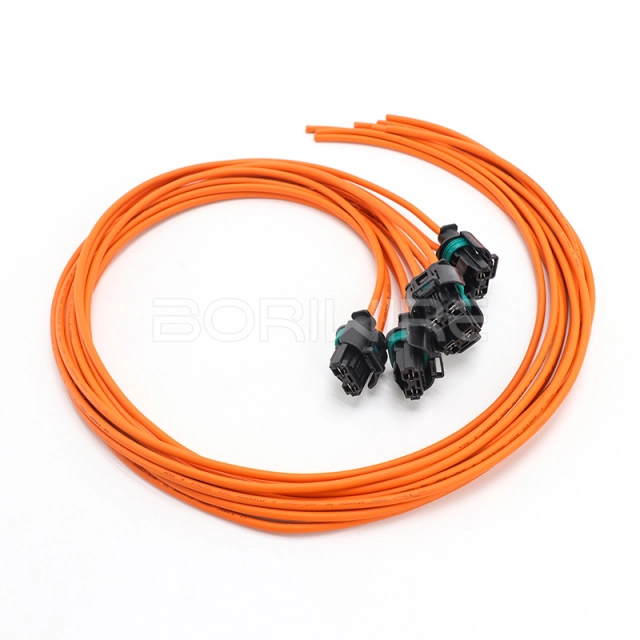
The global shift toward sustainable energy has created unprecedented demand for specialized electrical components. At the heart of every electric vehicle (EV), solar installation, and energy storage system lies a critical component: the new energy wiring harness. Unlike conventional automotive wiring, these harnesses must meet exceptionally high standards for safety, efficiency, and durability. For engineers, procurement managers, and project developers, a central question emerges: what determines the cost of a new energy wiring harness? Understanding the answer is crucial for budgeting and ensuring system reliability.
At BoriWire, we specialize in designing and manufacturing high-performance wiring solutions for the new energy sector. We believe that an informed client is our best partner. This article provides a comprehensive breakdown of the factors that influence new energy wiring harness cost, empowering you to make smarter sourcing decisions.
Unique Demands of New Energy Applications
New energy applications present distinct challenges that directly impact harness design and cost:
Electric Vehicles (EVs): Require harnesses for high-voltage battery packs, powertrains, onboard chargers, and extensive low-voltage data networks.
Charging Stations: Both AC and DC fast-charging stations need robust harnesses capable of handling immense power loads and frequent plug cycles.
Solar Energy Systems: Harnesses must withstand prolonged UV exposure, temperature fluctuations, and outdoor environmental stress.
Energy Storage Systems (ESS): Battery enclosures demand harnesses that manage high currents and are built to stringent safety standards to prevent thermal events.
The cost of a harness is a direct reflection of its ability to meet these specific, often extreme, operational demands.
Primary Factors Influencing New Energy Wiring Harness Cost
1. High-Voltage and High-Current Requirements
This is the most significant differentiator from traditional wiring. New energy systems operate at much higher voltages (e.g., 400V or 800V in EVs) and currents.
Cable: High-voltage cables are far more expensive. They require thicker, high-purity copper conductors and specialized insulation materials like cross-linked polyethylene (XLPE) or silicone that can resist electrical stress, heat, and corona discharge.
Connectors: HV connectors are complex, precision-engineered components with sophisticated locking mechanisms and safety interlocks. They often use orange color-coding for safety and are significantly more costly than standard automotive connectors.
2. Material Quality and Thermal Management
Heat is a major adversary in new energy systems.
Temperature Resistance: Cables and connectors must be rated for continuous high-temperature operation (often exceeding 125°C or even 150°C). High-temperature materials are a premium cost.
Shielding: Effective electromagnetic interference (EMI) and radio frequency interference (RFI) shielding is mandatory to prevent noise from disrupting sensitive onboard electronics. Shielded cables, with their added layers of foil and braid, are more expensive to produce.
Flame Retardancy: Materials must often meet strict flame-retardant (e.g., UL 94 V-0) or self-extinguishing standards to enhance safety, adding to material costs.
3. Safety and Regulatory Compliance
The margin for error in new energy applications is minimal. Compliance is not optional; it is a core cost component.
Standards: Harnesses must be designed and tested to international standards such as ISO 6722 for automotive cables, LV214 for OEMs, UL for general safety, and specific regional certifications for EVs and energy systems.
Safety Features: This includes the use of orange insulation for high-voltage circuits, touch-proof connector designs, and robust strain relief. Implementing these safety features requires more engineering and higher-quality components.
4. Complexity and Integration
A new energy wiring harness is rarely a simple bundle of wires. It is an integrated system.
Data Integration: Alongside high-voltage lines, these harnesses often integrate low-voltage wires for CAN bus, Ethernet, or sensor data, increasing complexity.
Customization: Each application—from a specific EV model to a unique ESS layout—requires a custom-designed harness. The engineering hours for schematic design, 3D modeling, and prototyping are a substantial part of the initial cost.
5. Production Volume and Scalability
As with any manufactured product, economies of scale apply. The unit cost for a prototype or a small batch for a specialty vehicle is high. In contrast, mass production for a major EV manufacturer allows fixed costs (like design and tooling) to be amortized over thousands of units, drastically reducing the price per harness.
6. Rigorous Testing Protocols
A failure in a new energy harness can be catastrophic. Therefore, a comprehensive testing regimen is indispensable and is factored into the cost.
Hi-Pot Testing: High-potential testing to verify insulation integrity at voltages far exceeding operating norms.
Continuity and Signal Integrity Testing: Ensuring every connection is perfect and data signals are transmitted without loss.
Environmental Testing: Exposing the harness to vibration, thermal cycling, and moisture to simulate years of operation in a short time.
BoriWire: Your Expert Partner in New Energy Solutions
Navigating the cost landscape for new energy wiring harnesses requires a partner with deep technical expertise and a commitment to value. At BoriWire, we don't just manufacture cables; we engineer solutions that power the future safely and efficiently.
We help you optimize your investment through:
Technical Collaboration: Our engineers work with your team from the design phase to recommend cost-effective materials and design optimizations that do not compromise on safety or performance.
Supply Chain Excellence: Our strategic sourcing allows us to procure high-quality, certified materials at competitive prices, savings we pass on to you.
Vertical Integration: We control key stages of our manufacturing process, ensuring quality and efficiency from raw material to finished harness.
Scalable Production Capacity: We support projects of all scales, from R&D prototypes to high-volume production runs, ensuring you get the right price for your volume.
Getting a Precise Quotation
To provide an accurate cost for your new energy wiring harness, we need to understand your project's specific parameters. Please be ready to share:
Application details (e.g., EV battery pack, solar inverter, ESS).
Operating voltage and current requirements.
Schematics or wiring diagrams.
Environmental conditions and required safety certifications.
Target production volume.
Conclusion
The cost of a new energy wiring harness is an investment in safety, reliability, and performance. While initial price is a consideration, the true cost of ownership is defined by the harness's ability to perform flawlessly under demanding conditions over its entire lifecycle. Choosing a supplier like BoriWire, with a proven track record in the new energy sector, ensures that your project is built on a foundation of quality and expertise.
Ready to discuss your new energy wiring harness requirements and receive a detailed, competitive quote? Contact our specialist today.
Phone / WhatsApp / WeChat: Anemone: +86 1379780 0328
Power your innovation with the reliability of BoriWire.


